01 / Morfologi

Ciri dan struktur

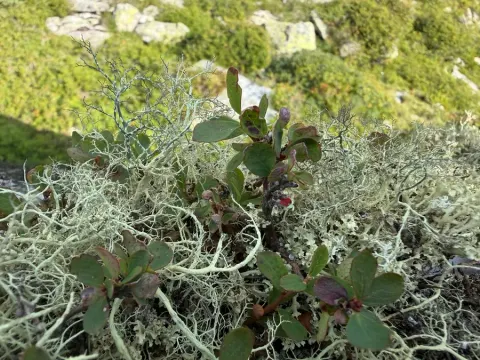
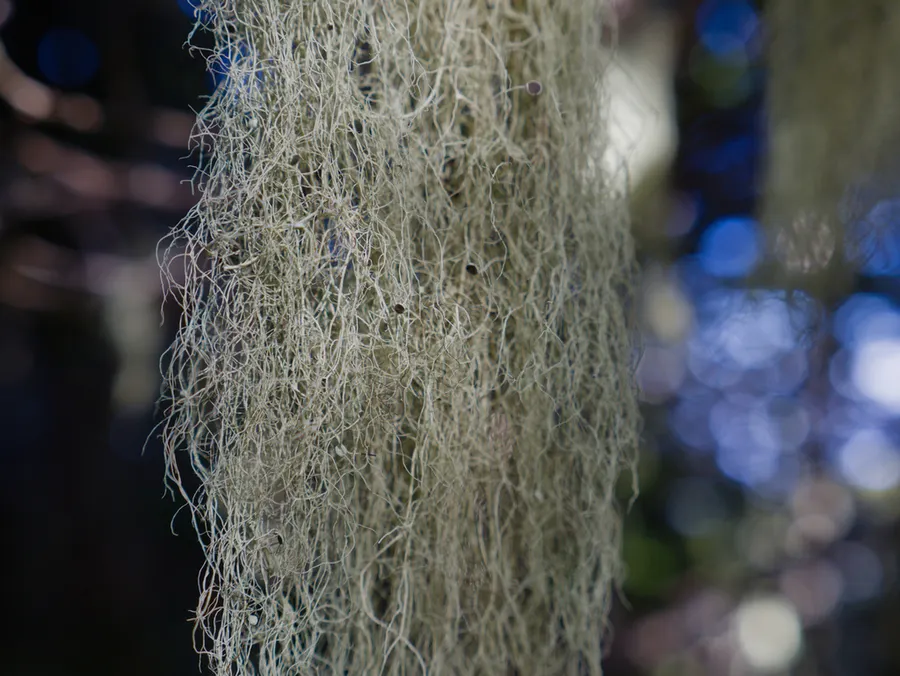
The thalli, or body, of Alectoria sarmentosa are fruticose, stringy, and extensively branched. Each branch usually divides into two to four sections. The thicker branches are typically greater than 2.5 mm in diameter. This Lichen is an epiphyte which means it has no roots. It depends on deriving its moisture and nutrients from the air, rain. Color varies between species of Alectoria. A. sarmentosa has been recorded varying in color from grayish green to yellowish green, occasionally blackening towards the ends, with small white raised ridges on surface. The thalli of A. sarmentosa form extensive mats up to 10–30 cm long. These mats hang down in a pendulous fashion. Some mats can form dense collections that create curtain like formations. A. sarmentosa are prone to fragmentation by wind.

Sebagian uraian ditampilkan dalam bahasa sumber; terjemahannya belum tersedia atau belum lolos pemeriksaan.

Rujukan: [1]

Pengukuran mengikuti objek, spesimen atau kultur, dan metode yang disebutkan sumber. Baca uraian asli untuk konteks lengkap.

02 / Kehidupan

Habitat dan peran ekologis

Alectoria sarmentosa ranges throughout northern hemisphere temperate rainforests. These rainforests are located in the temperate zone and receive high rainfall. They receive 846mm (minimum) to 5,600mm (maximum) annual precipitation. Alectoria Ach. species and subspecies have a global range and are found in Pacific Northwest Coast forests, including Alaska, Coastal British Columbia, Oregon, Washington, and northern California, west of Alberta and Montana. It also has been identified in the Appalachian Mountains temperate rainforest of Eastern U.S. and Boreal rainforests of New Brunswick and Nova Scotia Canada, as well as Scandinavian coastal conifer forests. It is common in boreal or taiga forests and prehumid rainforests. Usually found at transitions between valley and mountain forests, low to mid elevations. Avoiding the immediate coast. Alectoria sarmentosa is commonly associated with old growth forests in these regions. This lichen is very dependent on forest structure (Canopy height cover and composition), edge characteristics and climate. It dominates canopy gaps edges, where sunlight reaches the lower to mid levels of the forest canopy. In these areas of old growth A. sarmentosa grows on bark and wood; found pendulously draped over branches of conifer trees, hardwood trees and deciduous shrubs.

Sebagian uraian ditampilkan dalam bahasa sumber; terjemahannya belum tersedia atau belum lolos pemeriksaan.

Rujukan: [1]

Habitat atau konteks temuan
hutan
Substrat
kulit kayu
Peran atau konteks
Pembentuk liken
Temukan hubungan serupa
03 / Siklus hidup

Reproduksi

Reproduction in most other lichens is usually by tiny saucer-like fruiting bodies called apothecia. These bodies are relatively not seen in Alectoria species. Alectoria means ‘unmarried,’ referring to this lack of these apothecia reproduction fruiting bodies. Since it lacks these reproduction fruiting bodies, A. sarmentosa uses asexual plant propagation, when bits of it are blown off a branch and land on another branch or the same or near by conifer or shrub.

Sebagian uraian ditampilkan dalam bahasa sumber; terjemahannya belum tersedia atau belum lolos pemeriksaan.

Rujukan: [1]

Sinonim menurut acuan taksonomi rilis: Alectoria cincinnata; Alectoria cincinnata f. vexillifera; Alectoria cincinnata var. vexillifera; Alectoria ochroleuca f. cincinnata; Alectoria ochroleuca f. sarmentosa; Alectoria ochroleuca subsp. vexillifera; Alectoria ochroleuca var. cincinnata; Alectoria ochroleuca var. sarmentosa; Alectoria sarmentosa f. cincinnata; Alectoria sarmentosa f. vexillifera; Alectoria sarmentosa subsp. vexillifera; Alectoria sarmentosa var. cincinnata; Alectoria vexillifera; Alectoriomyces sarmentosae; Bryopogon cincinnatus; Bryopogon ochroleucus var. sarmentosus; Bryopogon sarmentosus; Bryopogon sarmentosus var. cincinnatus; Bryopogon vexilliferus; Cornicularia ochroleuca var. cincinnata; Cornicularia ochroleuca var. sarmentosa; Cornicularia sarmentosa; Eualectoria sarmentosa; Evernia ochroleuca f. sarmentosa; Evernia ochroleuca var. cincinnata; Evernia ochroleuca var. sarmentosa; Evernia sarmentosa; Lichen sarmentosus; Parmelia ochroleuca var. sarmentosa; Parmelia sarmentosa
04 / Batas informasi

Catatan identitas dan cakupan

  • Nama diterima mengikuti Catalogue of Life Base2026-09-11; uraian mempertahankan konsep dan nama sumber aslinya.
  • Original geographic, specimen and life-cycle scope retained; source import awaits individual editorial review.
  • Impor dan terjemahan otomatis belum diperiksa editorial per profil. Struktur reproduktif yang disebutkan tidak membuktikan seluruh siklus hidup diketahui.
  • Pengukuran pada uraian mengikuti spesimen, kultur, dan metode sumber; angka tidak diperluas ke semua populasi.

Catatan distribusi dalam narasi mengikuti sumbernya. Dokumentasi spesimen atau foto mengikuti catatan sumber. Bukti wilayah Indonesia dan penilaian konservasi tidak disimpulkan dari gambar.

05 / Dokumentasi

Melihat dengan konteks

Dokumentasi Alectoria sarmentosa menurut asosiasi foto pada record takson iNaturalist. Kredit: wweellll. Identitas mengikuti sumber; bukan penentuan spesimen independen.

Jenis
Fotografi
Kredit
(c) wweellll, some rights reserved (CC BY), uploaded by wweellll
Lisensi
CC BY 4.0
Sumber media
Buka entri sumber

Gambar menunjukkan objek menurut identifikasi sumber, bukan verifikasi independen spesimen oleh Fungi. Tidak ada skala baru yang ditambahkan.

06 / Rujukan

Sumber profil

  1. [1] Alectoria sarmentosa — Wikipedia (en)Bagian sumber: Frozen revision 1364994846
    Tanggal penghimpunan sumber: 2026-10-12
    Teks sumber: CC BY-SA4.0 · Wikipedia contributors
  2. [2] Catalogue of Life Base2026-09-11 — Alectoria sarmentosaBagian sumber: ColDP NameUsage.tsv ID BLRS; accepted species; source 2073
    Tanggal penghimpunan sumber: 2026-10-12
  3. [3] Dokumentasi visual — Alectoria sarmentosaBagian sumber: Individual media record; identification follows the source, not independent determination
    Tanggal penghimpunan sumber: 2026-10-12
    Media sumber: CC BY 4.0 · (c) wweellll, some rights reserved (CC BY), uploaded by wweellll

Adaptasi teks: CC BY-SA 4.0. Wikipedia contributors — Alectoria sarmentosa — Wikipedia (en)

Uraian asli dan riwayat sumber

Riwayat atau halaman sumber

Ringkasan sumber

Alectoria sarmentosa (common witch's-hair lichen) is a long-lived, perennial witch's-hair lichen. It is a light greenish colored and fruticose or bushy bodied. This epiphytic lichen belongs to the family Parmeliaceae and the suborder Lecanorineae, which includes six similar species. A. sarmentosa grows draped or strung over conifer tree limbs and deciduous shrub branches in Northern temperate rainforest. This lichen favors mature and old growth, wet conifer and hardwood forests with clean air. A. sarmentosa is sensitive to air pollution and used for air quality monitoring.

Revisi sumber

Morfologi sumber

The thalli, or body, of Alectoria sarmentosa are fruticose, stringy, and extensively branched. Each branch usually divides into two to four sections. The thicker branches are typically greater than 2.5 mm in diameter. This Lichen is an epiphyte which means it has no roots. It depends on deriving its moisture and nutrients from the air, rain. Color varies between species of Alectoria. A. sarmentosa has been recorded varying in color from grayish green to yellowish green, occasionally blackening towards the ends, with small white raised ridges on surface. The thalli of A. sarmentosa form extensive mats up to 10–30 cm long. These mats hang down in a pendulous fashion. Some mats can form dense collections that create curtain like formations. A. sarmentosa are prone to fragmentation by wind.

Revisi sumber

Ekologi sumber

Alectoria sarmentosa ranges throughout northern hemisphere temperate rainforests. These rainforests are located in the temperate zone and receive high rainfall. They receive 846mm (minimum) to 5,600mm (maximum) annual precipitation. Alectoria Ach. species and subspecies have a global range and are found in Pacific Northwest Coast forests, including Alaska, Coastal British Columbia, Oregon, Washington, and northern California, west of Alberta and Montana. It also has been identified in the Appalachian Mountains temperate rainforest of Eastern U.S. and Boreal rainforests of New Brunswick and Nova Scotia Canada, as well as Scandinavian coastal conifer forests. It is common in boreal or taiga forests and prehumid rainforests. Usually found at transitions between valley and mountain forests, low to mid elevations. Avoiding the immediate coast. Alectoria sarmentosa is commonly associated with old growth forests in these regions. This lichen is very dependent on forest structure (Canopy height cover and composition), edge characteristics and climate. It dominates canopy gaps edges, where sunlight reaches the lower to mid levels of the forest canopy. In these areas of old growth A. sarmentosa grows on bark and wood; found pendulously draped over branches of conifer trees, hardwood trees and deciduous shrubs.

Revisi sumber

Struktur reproduksi sumber

Reproduction in most other lichens is usually by tiny saucer-like fruiting bodies called apothecia. These bodies are relatively not seen in Alectoria species. Alectoria means ‘unmarried,’ referring to this lack of these apothecia reproduction fruiting bodies. Since it lacks these reproduction fruiting bodies, A. sarmentosa uses asexual plant propagation, when bits of it are blown off a branch and land on another branch or the same or near by conifer or shrub.

Revisi sumber

Rujukan halaman ini

Fungi. Alectoria sarmentosa. Rilis data fungi-2026-10-12-expansion-2. https://fungi-atlas.mgadib.chatgpt.site/jamur/alectoria-sarmentosa/.

Status: impor sumber; pemeriksaan editorial per profil belum selesai. Untuk klaim biologis, gunakan rujukan pada bagian terkait dan periksa konteks sumber aslinya.