Ciri dan struktur
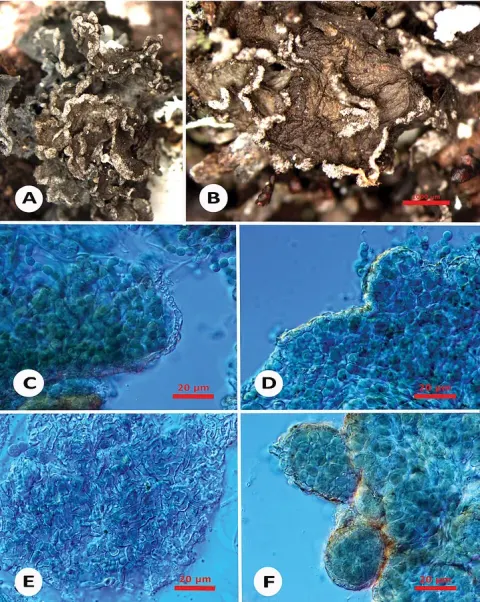
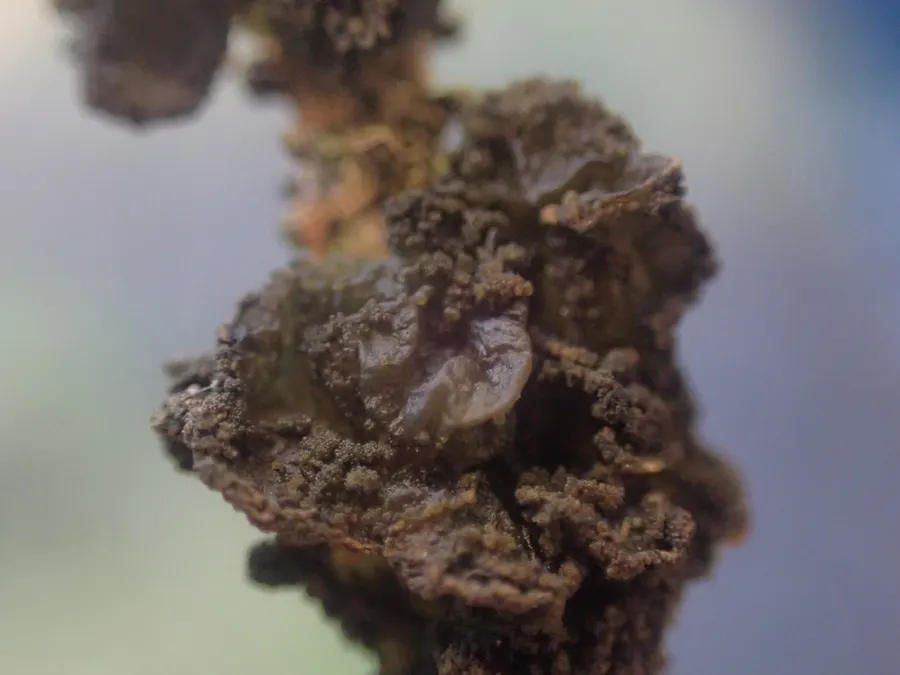
Gabura insignis has a gelatinous, foliose thallus (leaf-like lichen body) that is usually small to medium-sized, reaching about 5 cm across. When dry it forms dark, compact thalli that can look strongly wrinkled and compact, but when moistened it expands and becomes more obviously lobed. The lobes are typically 2–6 mm wide, and the thallus is greyish black to brown-black when dry but turns olive-brown when wet. The upper surface is strongly wrinkled, with ridges that are often rough-textured and may bear coarse, irregular, wart-like outgrowths (isidia), granules, or powdery soredia. No apothecia (sexual fruiting bodies) have been reported for this species in the Pacific Northwest, and it is instead recognized by its asexual propagules and overall thallus form. Internally, the thallus consists of loosely interwoven fungal threads (hyphae). Standard chemical spot tests are negative.
Habitat dan peran ekologis
Most records of Gabura insignis are from the Pacific Northwest of North America, with confirmed records from Alaska, British Columbia, California, Oregon and Washington. In the Pacific Northwest it is mainly a coastal species, reported from south-east Alaska to southern Oregon. Magain and colleagues documented the first verified European occurrences (Ireland and Scotland), and noted that earlier accounts may have missed it because it was long confused with the unrelated Leptogium brebissonii, and only later recognised as a distinct species. Their DNA-based phylogeny groups the European specimens with North American G. insignis (sensu stricto, in the strict sense). They also detected related, early-diverging lineages in Madagascar, Réunion and South Africa, and labelled those as Gabura cf. insignis (meaning "compare with insignis") pending further study. Overall, most of the clade's genetic diversity is in the south-western Indian Ocean, while G. insignis in the strict sense is known from North America and the British Isles. It has also been recorded from Ecuador (2016) and Japan (2022). The species is epiphytic (growing on plants rather than on soil or rock) and forms low, inconspicuous patches.
- Habitat atau konteks temuan
- Informasi belum tersedia pada sumber rilis ini.
- Substrat
- tanah
- Peran atau konteks
- Pembentuk liken
Reproduksi
Gabura insignis has a gelatinous, foliose thallus (leaf-like lichen body) that is usually small to medium-sized, reaching about 5 cm across. When dry it forms dark, compact thalli that can look strongly wrinkled and compact, but when moistened it expands and becomes more obviously lobed. The lobes are typically 2–6 mm wide, and the thallus is greyish black to brown-black when dry but turns olive-brown when wet. The upper surface is strongly wrinkled, with ridges that are often rough-textured and may bear coarse, irregular, wart-like outgrowths (isidia), granules, or powdery soredia. No apothecia (sexual fruiting bodies) have been reported for this species in the Pacific Northwest, and it is instead recognized by its asexual propagules and overall thallus form.
Catatan identitas dan cakupan
- Nama diterima mengikuti Catalogue of Life Base2026-09-11; uraian mempertahankan konsep dan nama sumber aslinya.
- Original geographic, specimen and life-cycle scope retained; source import awaits individual editorial review.
- Impor dan terjemahan otomatis belum diperiksa editorial per profil. Struktur reproduktif yang disebutkan tidak membuktikan seluruh siklus hidup diketahui.
- Pengukuran pada uraian mengikuti spesimen, kultur, dan metode sumber; angka tidak diperluas ke semua populasi.
Catatan distribusi dalam narasi mengikuti sumbernya. Dokumentasi spesimen atau foto mengikuti catatan sumber. Bukti wilayah Indonesia dan penilaian konservasi tidak disimpulkan dari gambar.
Melihat dengan konteks
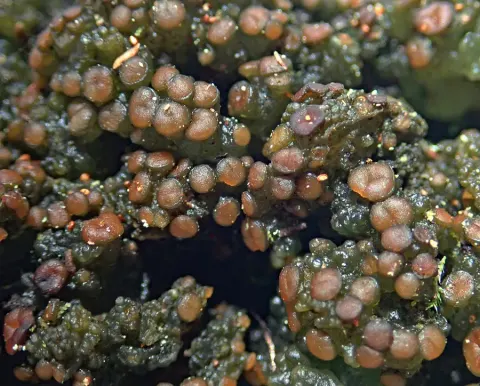
Dokumentasi Gabura insignis menurut asosiasi foto pada record takson iNaturalist. Kredit: Fotografer tidak dicantumkan. Sumber observasi iNaturalist; pengunggah: Deniz Wilson. Identitas mengikuti sumber; bukan penentuan spesimen independen.
- Jenis
- Fotografi
- Kredit
- Fotografer tidak dicantumkan. Sumber observasi iNaturalist; pengunggah: Deniz Wilson
- Lisensi
- CC0 1.0
- Sumber media
- Buka entri sumber
Dokumentasi tambahan
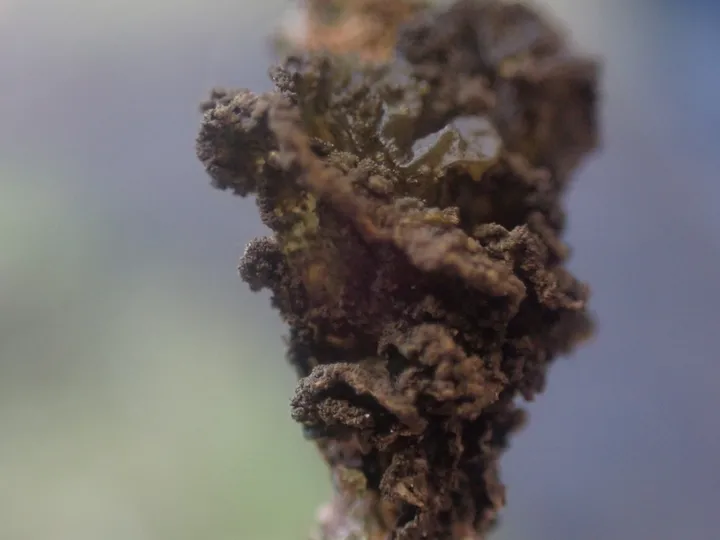
Foto yang diasosiasikan dengan Arctomia insignis pada iNaturalist. Identifikasi mengikuti sumber; bukan penentuan spesimen independen.
Kredit dan penggunaan
no rights reserved
Ukuran dan format gambar disesuaikan tanpa pemotongan, retus, atau penambahan skala. Lisensi sumber dipertahankan.
Sumber profil
- [1] Gabura insignis — Wikipedia (en)
- [2] Catalogue of Life Base2026-09-11 — Arctomia insignis
- [3] Dokumentasi visual — Arctomia insignis
- [4] Dokumentasi visual — Arctomia insignis
Rujukan halaman ini
Fungi. Arctomia insignis. Rilis data fungi-2026-10-12-expansion-2. https://fungi-atlas.mgadib.chatgpt.site/jamur/arctomia-insignis/.
Status: impor sumber; pemeriksaan editorial per profil belum selesai. Untuk klaim biologis, gunakan rujukan pada bagian terkait dan periksa konteks sumber aslinya.