01 / Morfologi

Ciri dan struktur

The disease cycle of Heterobasidion irregulare begins with natural wounds on trees or cut stumps. Basidiospores are wind-blown and land on tree wounds. Most spores land within 100 metres of the fruiting bodies. The spores then germinate and the mycelia, or vegetative structure of the fungus, grows into the wood. The mycelia colonizes the wood by decomposing the lignin and cellulose, producing a stringy white rot. It spreads from tree to tree by root grafts, killing trees in an ever-widening circle. The sexual reproductive structures of the fungus, annual or perennial basidiocarps, appear on decomposing stumps and at the base of dead trees and release spores in summer and fall to mid-winter. The highest sporulation occurs from late summer to when the conks freeze. When the conk temperatures are above freezing the spores of the fungus are released and carried by wind currents to land in open wounds or stumps of cut trees. The fungus can survive freezing temperatures both as mycelia and as basidiocarps, and overwinters in the roots and stem tissue of trees. The mycelia produce infectious conidia, but it is unknown how these fit into the disease cycle. When the fungus has obtained enough nutrients it grows a basidiocarp on the outside of a trunk or stump of a tree in the eastern US or inside a hollow stump in the western US. Various abiotic factors attribute to the ability of Heterobasidion irregulare to cause disease on trees. Factors such as gaseous regime (oxygen levels), pH of the soil, and moisture content, may affect fungal growth. Disease is most severe on high fertility or lime, alkaline (pH>6), or former agricultural soils.

Sebagian uraian ditampilkan dalam bahasa sumber; terjemahannya belum tersedia atau belum lolos pemeriksaan.

Rujukan: [1]

Pengukuran mengikuti objek, spesimen atau kultur, dan metode yang disebutkan sumber. Baca uraian asli untuk konteks lengkap.

02 / Kehidupan

Habitat dan peran ekologis

Many woody plant species have been reported as hosts for H. irregulare. Hosts consist of pines and some other conifers and hardwoods, including ponderosa pine (Pinus ponderosa), shortleaf pine (Pinus echinata), red pine (Pinus resinosa), incense-cedar (Calocedrus decurrens), western juniper (Juniperus occidentalis), and Manzanita (Arctostaphylos spp.). Heterobasidion irregulare causes both above and below-ground symptoms. Above-ground symptoms of infected trees consist of reduced height growth, patches of dead and declining trees, wind-thrown trees, reduced shoot and diameter growth, and resin-soaking at the root collar. Additionally, the crown may become thin and foliage (leaves or needles) becomes chlorotic. The characteristic symptom of most tree root disease, including this type, is a disease center.g This occurs when the fungus has infected one tree and then spreads through the roots to other trees and kills them too. This creates a pattern of old dead trees in the center of the pocket and progressively newer dead, chlorotic, then healthy trees, usually in a circular area. Below-ground symptoms of H. irregulare include excessive pitch production, stringy, white root decay, and root lesions.

Sebagian uraian ditampilkan dalam bahasa sumber; terjemahannya belum tersedia atau belum lolos pemeriksaan.

Rujukan: [1]

Habitat atau konteks temuan
Informasi belum tersedia pada sumber rilis ini.
Substrat
Informasi belum tersedia pada sumber rilis ini.
Peran atau konteks
Belum dikategorikan pada rilis ini.
Temukan hubungan serupa
03 / Siklus hidup

Reproduksi

The disease cycle of Heterobasidion irregulare begins with natural wounds on trees or cut stumps. Basidiospores are wind-blown and land on tree wounds. Most spores land within 100 metres of the fruiting bodies. The spores then germinate and the mycelia, or vegetative structure of the fungus, grows into the wood. The mycelia colonizes the wood by decomposing the lignin and cellulose, producing a stringy white rot. It spreads from tree to tree by root grafts, killing trees in an ever-widening circle. The sexual reproductive structures of the fungus, annual or perennial basidiocarps, appear on decomposing stumps and at the base of dead trees and release spores in summer and fall to mid-winter. The highest sporulation occurs from late summer to when the conks freeze.

Sebagian uraian ditampilkan dalam bahasa sumber; terjemahannya belum tersedia atau belum lolos pemeriksaan.

Rujukan: [1]

Sinonim menurut acuan taksonomi rilis: Polyporus irregularis
04 / Batas informasi

Catatan identitas dan cakupan

  • Nama diterima mengikuti Catalogue of Life Base2026-09-11; uraian mempertahankan konsep dan nama sumber aslinya.
  • Original geographic, specimen and life-cycle scope retained; source import awaits individual editorial review.
  • Impor dan terjemahan otomatis belum diperiksa editorial per profil. Struktur reproduktif yang disebutkan tidak membuktikan seluruh siklus hidup diketahui.
  • Pengukuran pada uraian mengikuti spesimen, kultur, dan metode sumber; angka tidak diperluas ke semua populasi.

Catatan distribusi dalam narasi mengikuti sumbernya. Dokumentasi spesimen atau foto mengikuti catatan sumber. Bukti wilayah Indonesia dan penilaian konservasi tidak disimpulkan dari gambar.

05 / Dokumentasi

Melihat dengan konteks

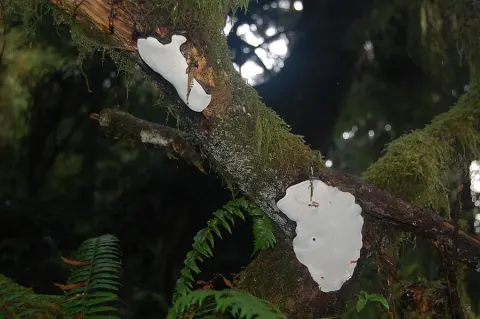
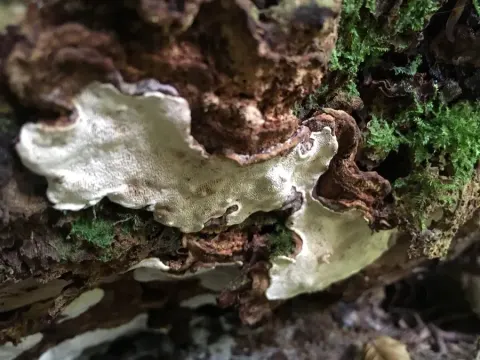
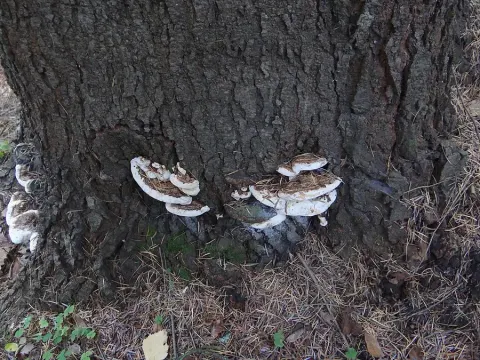
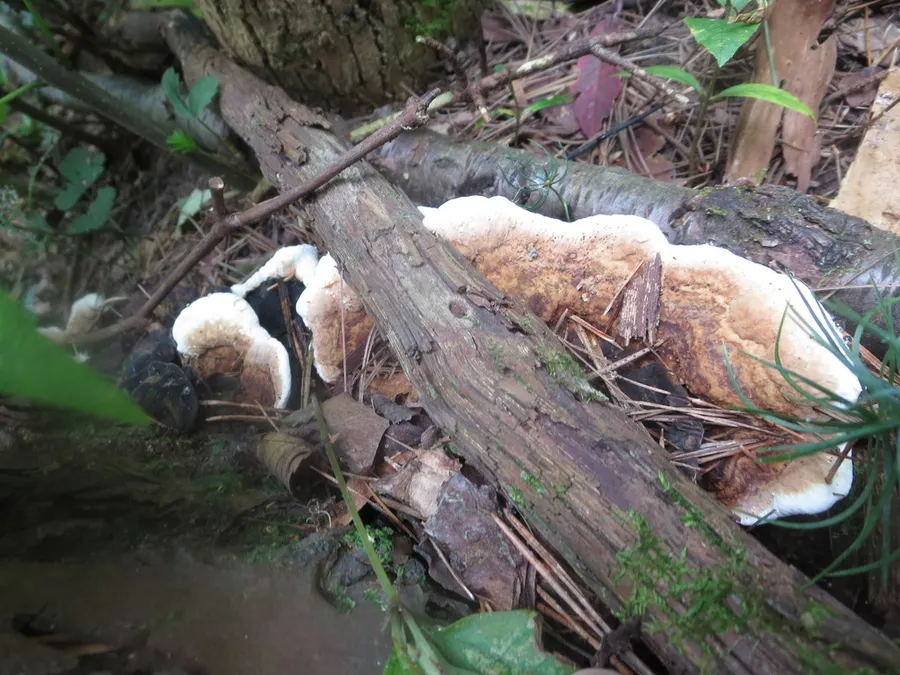
Dokumentasi Heterobasidion irregulare menurut asosiasi foto pada record takson iNaturalist. Kredit: Django Grootmyers. Identitas mengikuti sumber; bukan penentuan spesimen independen.

Jenis
Fotografi
Kredit
(c) Django Grootmyers, some rights reserved (CC BY-SA), uploaded by Django Grootmyers
Sumber media
Buka entri sumber

Gambar menunjukkan objek menurut identifikasi sumber, bukan verifikasi independen spesimen oleh Fungi. Tidak ada skala baru yang ditambahkan.

06 / Rujukan

Sumber profil

  1. [1] Heterobasidion irregulare — Wikipedia (en)Bagian sumber: Frozen revision 1293528330
    Tanggal penghimpunan sumber: 2026-10-12
    Teks sumber: CC BY-SA4.0 · Wikipedia contributors
  2. [2] Catalogue of Life Base2026-09-11 — Heterobasidion irregulareBagian sumber: ColDP NameUsage.tsv ID 3L7QB; accepted species; source 2073
    Tanggal penghimpunan sumber: 2026-10-12
  3. [3] Dokumentasi visual — Heterobasidion irregulareBagian sumber: Individual media record; identification follows the source, not independent determination
    Tanggal penghimpunan sumber: 2026-10-12
    Media sumber: CC BY-SA 4.0 · (c) Django Grootmyers, some rights reserved (CC BY-SA), uploaded by Django Grootmyers

Adaptasi teks: CC BY-SA 4.0. Wikipedia contributors — Heterobasidion irregulare — Wikipedia (en)

Uraian asli dan riwayat sumber

Riwayat atau halaman sumber

Ringkasan sumber

The disease cycle of Heterobasidion irregulare begins with natural wounds on trees or cut stumps. Basidiospores are wind-blown and land on tree wounds. Most spores land within 100 metres of the fruiting bodies. The spores then germinate and the mycelia, or vegetative structure of the fungus, grows into the wood. The mycelia colonizes the wood by decomposing the lignin and cellulose, producing a stringy white rot. It spreads from tree to tree by root grafts, killing trees in an ever-widening circle.

Revisi sumber

Morfologi sumber

The disease cycle of Heterobasidion irregulare begins with natural wounds on trees or cut stumps. Basidiospores are wind-blown and land on tree wounds. Most spores land within 100 metres of the fruiting bodies. The spores then germinate and the mycelia, or vegetative structure of the fungus, grows into the wood. The mycelia colonizes the wood by decomposing the lignin and cellulose, producing a stringy white rot. It spreads from tree to tree by root grafts, killing trees in an ever-widening circle. The sexual reproductive structures of the fungus, annual or perennial basidiocarps, appear on decomposing stumps and at the base of dead trees and release spores in summer and fall to mid-winter. The highest sporulation occurs from late summer to when the conks freeze. When the conk temperatures are above freezing the spores of the fungus are released and carried by wind currents to land in open wounds or stumps of cut trees. The fungus can survive freezing temperatures both as mycelia and as basidiocarps, and overwinters in the roots and stem tissue of trees. The mycelia produce infectious conidia, but it is unknown how these fit into the disease cycle. When the fungus has obtained enough nutrients it grows a basidiocarp on the outside of a trunk or stump of a tree in the eastern US or inside a hollow stump in the western US. Various abiotic factors attribute to the ability of Heterobasidion irregulare to cause disease on trees. Factors such as gaseous regime (oxygen levels), pH of the soil, and moisture content, may affect fungal growth. Disease is most severe on high fertility or lime, alkaline (pH>6), or former agricultural soils.

Revisi sumber

Ekologi sumber

Many woody plant species have been reported as hosts for H. irregulare. Hosts consist of pines and some other conifers and hardwoods, including ponderosa pine (Pinus ponderosa), shortleaf pine (Pinus echinata), red pine (Pinus resinosa), incense-cedar (Calocedrus decurrens), western juniper (Juniperus occidentalis), and Manzanita (Arctostaphylos spp.). Heterobasidion irregulare causes both above and below-ground symptoms. Above-ground symptoms of infected trees consist of reduced height growth, patches of dead and declining trees, wind-thrown trees, reduced shoot and diameter growth, and resin-soaking at the root collar. Additionally, the crown may become thin and foliage (leaves or needles) becomes chlorotic. The characteristic symptom of most tree root disease, including this type, is a disease center.g This occurs when the fungus has infected one tree and then spreads through the roots to other trees and kills them too. This creates a pattern of old dead trees in the center of the pocket and progressively newer dead, chlorotic, then healthy trees, usually in a circular area. Below-ground symptoms of H. irregulare include excessive pitch production, stringy, white root decay, and root lesions.

Revisi sumber

Struktur reproduksi sumber

The disease cycle of Heterobasidion irregulare begins with natural wounds on trees or cut stumps. Basidiospores are wind-blown and land on tree wounds. Most spores land within 100 metres of the fruiting bodies. The spores then germinate and the mycelia, or vegetative structure of the fungus, grows into the wood. The mycelia colonizes the wood by decomposing the lignin and cellulose, producing a stringy white rot. It spreads from tree to tree by root grafts, killing trees in an ever-widening circle. The sexual reproductive structures of the fungus, annual or perennial basidiocarps, appear on decomposing stumps and at the base of dead trees and release spores in summer and fall to mid-winter. The highest sporulation occurs from late summer to when the conks freeze.

Revisi sumber

Rujukan halaman ini

Fungi. Heterobasidion irregulare. Rilis data fungi-2026-10-12-expansion-2. https://fungi-atlas.mgadib.chatgpt.site/jamur/heterobasidion-irregulare/.

Status: impor sumber; pemeriksaan editorial per profil belum selesai. Untuk klaim biologis, gunakan rujukan pada bagian terkait dan periksa konteks sumber aslinya.