Ciri dan struktur
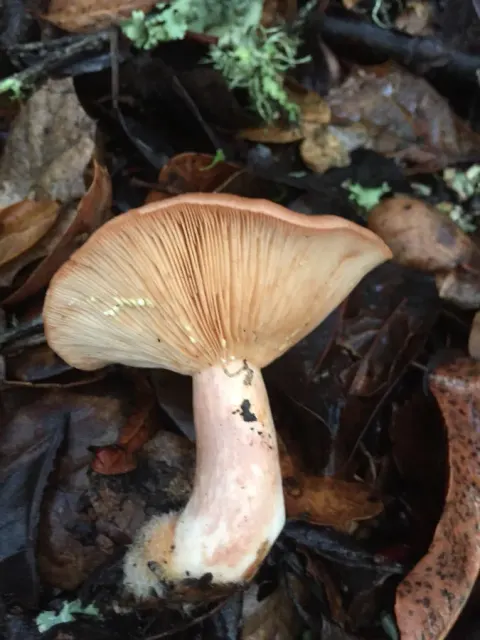
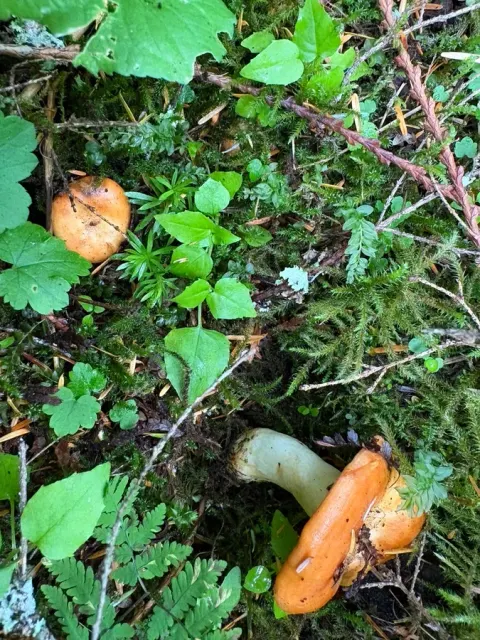
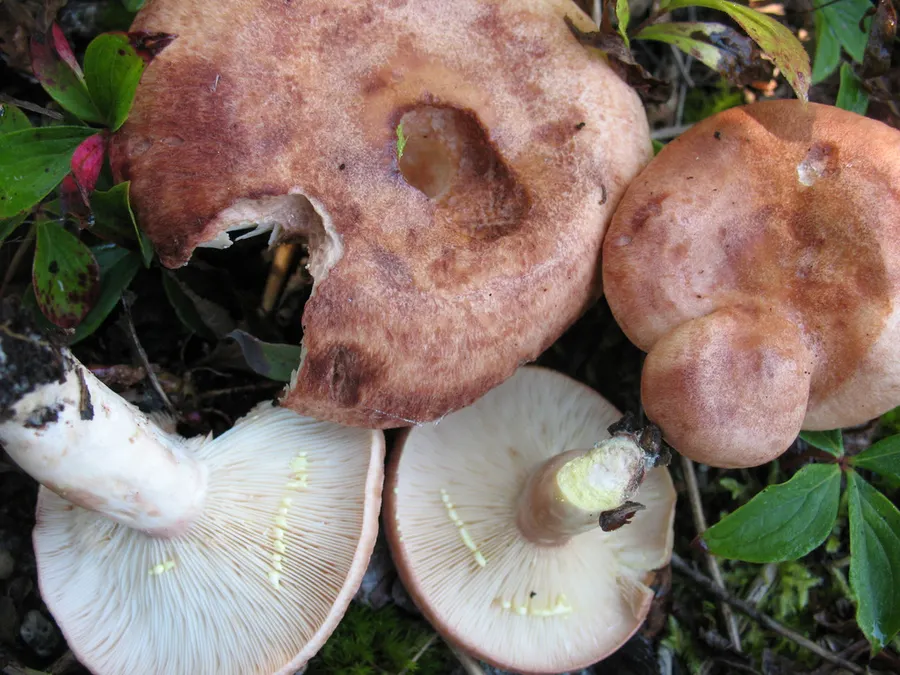
The cap of L. vinaceorufescens is initially convex, then becomes broadly convex to nearly flat, and reaches diameters of 4–12 cm wide. The cap margin is rolled inwards at first, but later expands, becoming somewhat uplifted and uneven with age. The cap surface is smooth, pale pinkish cinnamon with pinkish buff at the margin when young, becoming darker pinkish cinnamon to orangey cinnamon when older, faintly zoned with bands or water spots of nearly the same color. The gills are attached to slightly decurrent, narrow, close together, and often forked near the stem. There are several tiers of lamellulae (short gills that do not fully extend to the stem from the cap margin). The gills are initially whitish to pinkish buff, later spotting wine red (vinaceous) to pinkish brown or dark reddish brown. The latex that is exuded when the mushroom is cut or injured is initially white, but rapidly turns sulfur-yellow. The stem is 4–7 cm long by 1–2.5 cm thick, nearly equal in width throughout or enlarged slightly downward, and hollow. The stem surface is nearly smooth, with white to brownish stiff hairs at the base, pinkish-white overall, and darkening with age. The flesh is moderately thick, white to pinkish, staining bright sulfur yellow. It has an acrid taste. The spore print is white to yellowish. The spores are roughly spherical to broadly ellipsoid, hyaline (translucent), amyloid, and measure 6.5–9 by 6–7 μm. They are ornamented with warts and ridges that sometimes form a partial reticulum, with prominences up to 0.8 μm. The basidia (spore-bearing cells) are four-spored, and measure 28–33 by 8–10 μm.
Habitat dan peran ekologis
The fruit bodies of L. vinaceorufescens grow scattered or in groups on the ground under pine between August and October. Spesies ini diketahui mengembangkan asosiasi mikoriza dengan Douglas fir (Pseudotsuga menziesii). Ini adalah spesies yang cukup umum dan tersebar luas di Amerika Utara. Jamur ini telah ditemukan di hutan boreal dan hutan tinggi Appalachians Selatan, terkait dengan genus pohon Picea, Abies, dan Pinus. Di California, telah dicatat bahwa ini biasanya terjadi sama dengan L. fragilis, L. rubrilacteus, Russula emetica, dan R. cremoricolor.
- Habitat atau konteks temuan
- hutan
- Substrat
- tanah
- Peran atau konteks
- Mitra tumbuhan
Reproduksi
The stem is 4–7 cm long by 1–2.5 cm thick, nearly equal in width throughout or enlarged slightly downward, and hollow. The stem surface is nearly smooth, with white to brownish stiff hairs at the base, pinkish-white overall, and darkening with age. The flesh is moderately thick, white to pinkish, staining bright sulfur yellow. It has an acrid taste. The spore print is white to yellowish. The spores are roughly spherical to broadly ellipsoid, hyaline (translucent), amyloid, and measure 6.5–9 by 6–7 μm. They are ornamented with warts and ridges that sometimes form a partial reticulum, with prominences up to 0.8 μm. The basidia (spore-bearing cells) are four-spored, and measure 28–33 by 8–10 μm.
Catatan identitas dan cakupan
- Nama diterima mengikuti Catalogue of Life Base2026-09-11; uraian mempertahankan konsep dan nama sumber aslinya.
- Original geographic, specimen and life-cycle scope retained; source import awaits individual editorial review.
- Impor dan terjemahan otomatis belum diperiksa editorial per profil. Struktur reproduktif yang disebutkan tidak membuktikan seluruh siklus hidup diketahui.
- Pengukuran pada uraian mengikuti spesimen, kultur, dan metode sumber; angka tidak diperluas ke semua populasi.
Catatan distribusi dalam narasi mengikuti sumbernya. Dokumentasi spesimen atau foto mengikuti catatan sumber. Bukti wilayah Indonesia dan penilaian konservasi tidak disimpulkan dari gambar.
Melihat dengan konteks
Dokumentasi Lactarius vinaceorufescens menurut asosiasi foto pada record takson iNaturalist. Kredit: natureluvr01. Identitas mengikuti sumber; bukan penentuan spesimen independen.
- Jenis
- Fotografi
- Kredit
- (c) natureluvr01, some rights reserved (CC BY)
- Lisensi
- CC BY 4.0
- Sumber media
- Buka entri sumber
Dokumentasi tambahan
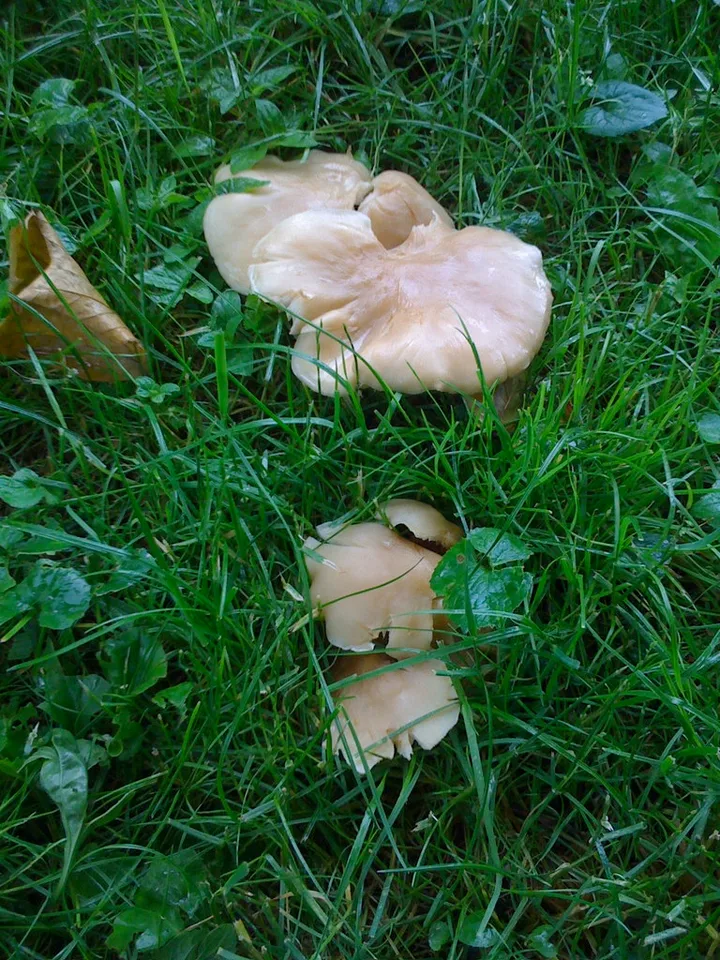
Foto yang diasosiasikan dengan Lactarius vinaceorufescens pada iNaturalist. Identifikasi mengikuti sumber; bukan penentuan spesimen independen.
Kredit dan penggunaan
(c) urbanlatinfemale, some rights reserved (CC BY-SA)
Ukuran dan format gambar disesuaikan tanpa pemotongan, retus, atau penambahan skala. Lisensi sumber dipertahankan.
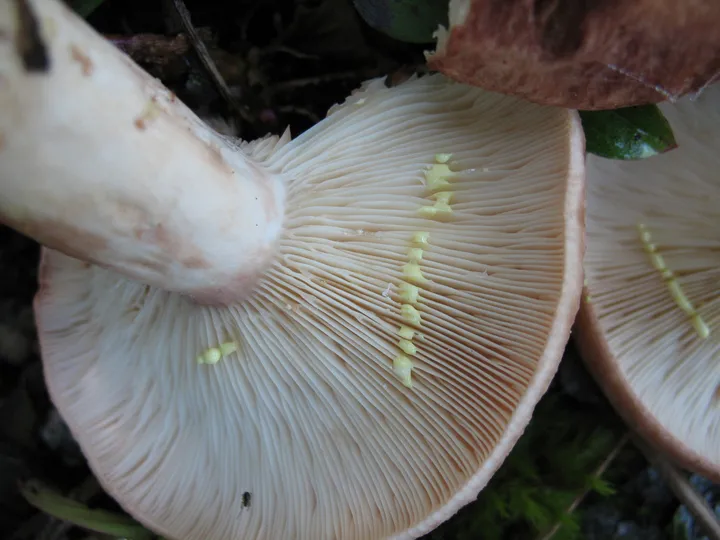
Foto yang diasosiasikan dengan Lactarius vinaceorufescens pada iNaturalist. Identifikasi mengikuti sumber; bukan penentuan spesimen independen.
Kredit dan penggunaan
(c) natureluvr01, some rights reserved (CC BY)
Ukuran dan format gambar disesuaikan tanpa pemotongan, retus, atau penambahan skala. Lisensi sumber dipertahankan.
Sumber profil
- [1] Lactarius vinaceorufescens — Wikipedia (en)
- [2] Catalogue of Life Base2026-09-11 — Lactarius vinaceorufescens
- [3] Dokumentasi visual — Lactarius vinaceorufescens
- [4] Dokumentasi visual — Lactarius vinaceorufescens
- [5] Dokumentasi visual — Lactarius vinaceorufescens
Rujukan halaman ini
Fungi. Lactarius vinaceorufescens. Rilis data fungi-2026-10-12-expansion-2. https://fungi-atlas.mgadib.chatgpt.site/jamur/lactarius-vinaceorufescens/.
Status: impor sumber; pemeriksaan editorial per profil belum selesai. Untuk klaim biologis, gunakan rujukan pada bagian terkait dan periksa konteks sumber aslinya.