Ciri dan struktur
Usnea glabrata forms a small, erect thallus (body) that typically reaches up to 5–10 cm in height. The thallus is sparsely to densely branched, with the branching pattern primarily - (where dividing branches are unequal in thickness). The branches are generally slender, measuring up to 1.5–1.8 mm in diameter, and are characteristically inflated with a somewhat swollen appearance. They often display (small pit-like depressions on the surface) and are typically constricted or (tapering at both ends) at their bases. Branch tips commonly curve backwards. The surface of U. glabrata has a somewhat shiny appearance, which distinguishes it from many other Usnea species that have a surface. This feature is typical for species in the U. fragilescens group. The (outer protective layer) is thin, comprising only 4–5–7% of the branch radius. The medulla (inner layer) is loosely structured with an (cobweb-like) texture and is relatively thick, making up 32–36–39% of the branch radius. The central axis (core strand) is thin, constituting 13–18–23% of the branch diameter. Annular cracks (ring-like breaks in the cortex) are normally sparse and slightly constricted, occasionally featuring thin, everted medullary rings (where the inner tissue protrudes through the cracks). The base of the thallus is typically constricted to fusiform and ranges from pale to slightly blackened in colour. One of the distinctive features of U. glabrata is the general absence of (wart-like protrusions), which may occasionally appear as low and sparse structures, but are very rarely tall and numerous. Fibrils (small, hair-like branches) are usually abundant.
Habitat dan peran ekologis
Usnea glabrata is primarily an epiphytic lichen, growing on the bark of various tree species. In East Fennoscandia, it has been documented most frequently on alder, followed by spruce, birch, and willow, with occasional occurrences on Populus and Sorbus. The species typically inhabits moderately open and humid mixed forests. It often occurs along the shores of water bodies and can also be found in inhabited areas. Regarding its geographical distribution, U. glabrata has a circumpolar range in boreal and temperate regions, showing continental tendencies in its distribution pattern. Despite its distinctive morphology that should make field identification relatively straightforward, the species may be overlooked due to its small size. Globally, U. glabrata belongs to the U. fragilescens aggregate, a group whose members typically show oceanic or partially oceanic distribution tendencies, though U. glabrata itself displays more continental characteristics. Within Fennoscandia, the species has a distinctly southeastern distribution, being rare or absent from more northern regions. In Finland, it is mainly confined to the provinces of Pohjois-Savo and Pohjois-Karjala, while in Russia it occurs in several parts of the Republic of Karelia and adjacent areas.
- Habitat atau konteks temuan
- hutan
- Substrat
- Informasi belum tersedia pada sumber rilis ini.
- Peran atau konteks
- Pembentuk liken
Reproduksi
The reproductive structures called soralia typically develop near the branch tips. These soralia are tuberculate (having small rounded protuberances) to distinctly excavate (hollowed out), especially in older specimens preserved in herbaria. They are relatively large and often become confluent (merging). Soralia develop either from flat areas of the cortex or from tubercles, producing granular (powdery propagules for asexual reproduction). Isidia (another type of vegetative propagule) are absent, although isidia-like occasionally appear on the soralia.
Catatan identitas dan cakupan
- Nama diterima mengikuti Catalogue of Life Base2026-09-11; uraian mempertahankan konsep dan nama sumber aslinya.
- Original geographic, specimen and life-cycle scope retained; source import awaits individual editorial review.
- Impor dan terjemahan otomatis belum diperiksa editorial per profil. Struktur reproduktif yang disebutkan tidak membuktikan seluruh siklus hidup diketahui.
- Pengukuran pada uraian mengikuti spesimen, kultur, dan metode sumber; angka tidak diperluas ke semua populasi.
Catatan distribusi dalam narasi mengikuti sumbernya. Dokumentasi spesimen atau foto mengikuti catatan sumber. Bukti wilayah Indonesia dan penilaian konservasi tidak disimpulkan dari gambar.
Melihat dengan konteks
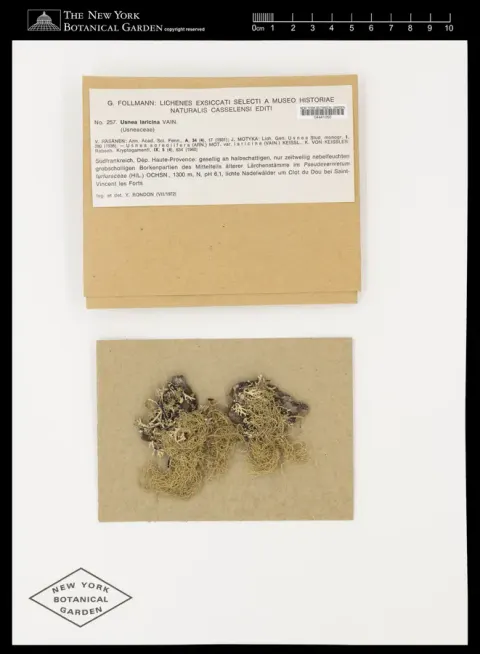
Dokumentasi Usnea glabrata menurut asosiasi foto pada record takson iNaturalist. Kredit: W Rao. Identitas mengikuti sumber; bukan penentuan spesimen independen.
- Jenis
- Fotografi
- Kredit
- (c) W Rao, some rights reserved (CC BY)
- Lisensi
- CC BY 4.0
- Sumber media
- Buka entri sumber
Dokumentasi tambahan
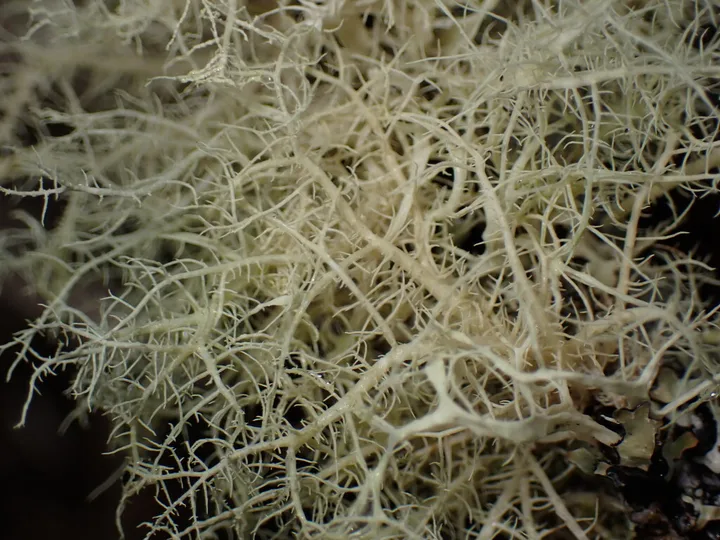
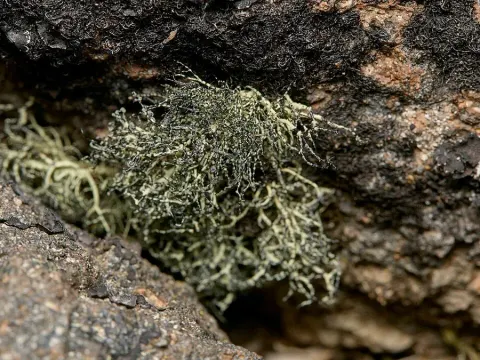
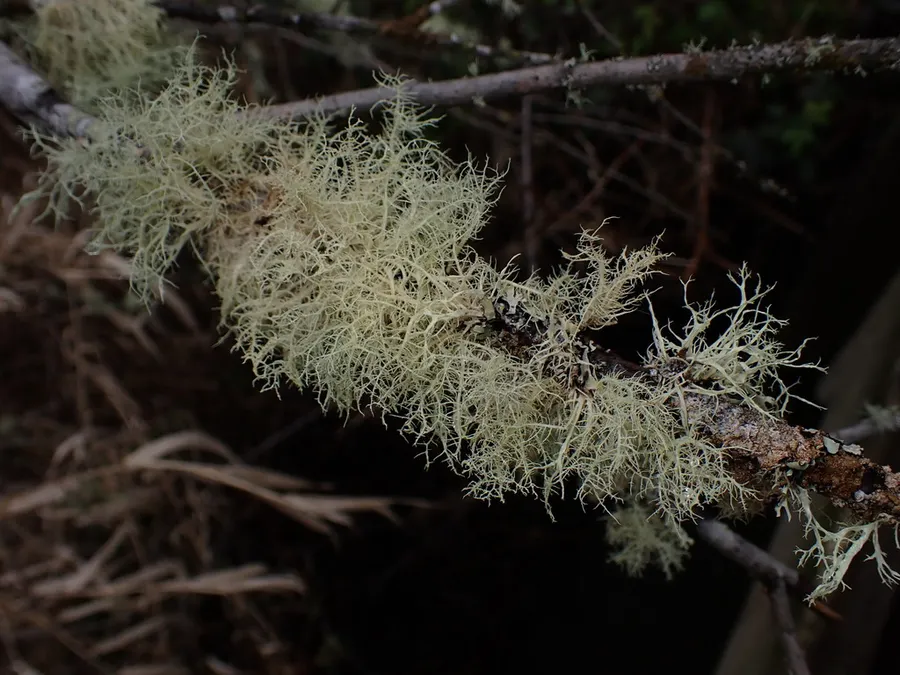
Foto yang diasosiasikan dengan Usnea glabrata pada iNaturalist. Identifikasi mengikuti sumber; bukan penentuan spesimen independen.
Kredit dan penggunaan
(c) W Rao, some rights reserved (CC BY)
Ukuran dan format gambar disesuaikan tanpa pemotongan, retus, atau penambahan skala. Lisensi sumber dipertahankan.
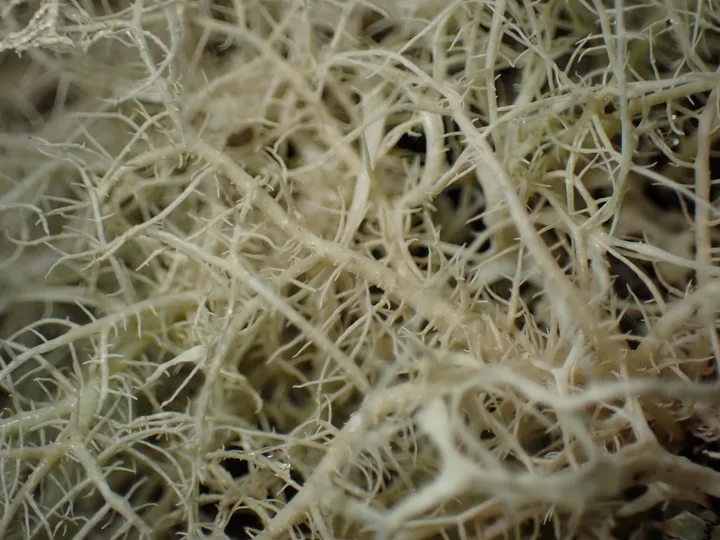
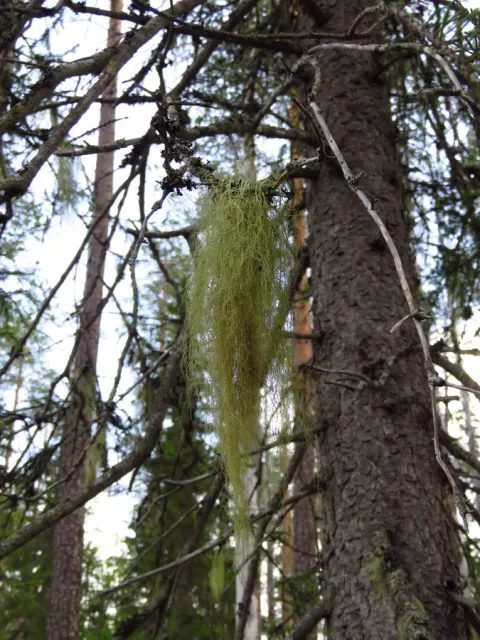
Foto yang diasosiasikan dengan Usnea glabrata pada iNaturalist. Identifikasi mengikuti sumber; bukan penentuan spesimen independen.
Kredit dan penggunaan
(c) W Rao, some rights reserved (CC BY)
Ukuran dan format gambar disesuaikan tanpa pemotongan, retus, atau penambahan skala. Lisensi sumber dipertahankan.
Sumber profil
- [1] Usnea glabrata — Wikipedia (en)
- [2] Catalogue of Life Base2026-09-11 — Usnea glabrata
- [3] Dokumentasi visual — Usnea glabrata
- [4] Dokumentasi visual — Usnea glabrata
- [5] Dokumentasi visual — Usnea glabrata
Rujukan halaman ini
Fungi. Usnea glabrata. Rilis data fungi-2026-10-12-expansion-2. https://fungi-atlas.mgadib.chatgpt.site/jamur/usnea-glabrata/.
Status: impor sumber; pemeriksaan editorial per profil belum selesai. Untuk klaim biologis, gunakan rujukan pada bagian terkait dan periksa konteks sumber aslinya.